Advertorial
20 Dangerous Scams In 2025 & How To Protect Yourself
In today's digital world, scammers are getting smarter by the day, especially with AI on the rise, making us all feel vulnerable online, doesn't it? But don't worry - we're not just exposing these dangerous scams, we're showing you how to fight back with the same advanced technology. Being aware of new ongoing scams can literally save you $10,000+ (many have lost more than $720,000...and many now have to rely on their family for financial support), and having the right protection can prevent you from becoming the next victim.
We've identified the some of the many dangerous threats currently bypassing traditional security measures. There's around 5 to 10 new scam tactics popping up everyday fooling even the smartest people. As scammers increasingly use AI to their advantage, you need AI-powered defenses to stay protected.
Just a friendly reminder: your hard-earned money and private data are too valuable to leave unprotected. Let our insider knowledge and cutting-edge technology recommendations come to the rescue and add a fortress of protection around your digital and offline life. Every tool is easy to use and takes seconds to set up to run 24/7 for you...and best of all readers get to access them for free while spots are available.
Below you'll find both the latest scams to watch for AND the innovative tools designed specifically to combat them effortlessly. It's time to take back control of your online and offline security and live life with complete peace of mind.
Digital Stalkers: The Invisible Predators Watching Your Every Online Move To Eventually Scam You

Most iPhone users have no idea they're being followed. Sophisticated digital scammers are silently monitoring every website visited, every search made, and every app opened to build detailed behavioral profiles. These invisible observers don't just know what you buy—they analyze how long you hesitate before purchases, what time of day you're most active, and even which emotional triggers make you click. This data creates a digital fingerprint unique as your actual fingerprint.
What makes this truly dangerous is how it evolves into highly personalized attacks. Rather than generic scam attempts, victims receive precisely targeted messages designed to exploit their specific habits and vulnerabilities. A person who frequently checks investment apps might receive a fake alert about account security that looks identical to their brokerage's notifications. Someone who researches vacation destinations will encounter convincing travel deals that disappear along with their payment information.
The technology that stops this surveillance works by creating an invisible shield around digital activities. By interrupting the collection of behavioral data, it prevents scammers from building those detailed profiles in the first place. The difference is immediate—users report a dramatic decrease in suspiciously well-timed scam attempts within days. "For months, I kept getting scam texts right after looking up specific topics," explains Michael R. "Now those eerily personal messages have completely stopped." The best part? You can claim free access to use this absolutely free today.
The "Hidden Web Weight" Slowing Your iPhone to a Crawl

That frustrating lag when loading websites isn't just poor signal—it's the invisible burden of potentially dangerous content secretly loading in the background. Every time you visit a website, your iPhone doesn't just download the content you want to see—it's forced to process dozens of hidden elements designed to track, monitor, and potentially compromise your device. These digital hitchhikers can consume up to 80% of your processing power and bandwidth, creating the maddening delay between clicking a link and seeing a page appear.
What makes this problem particularly concerning is how this sluggish performance creates perfect opportunities for scammers. When legitimate websites load slowly, users become more vulnerable to impatience-exploiting tactics. Scammers can deliberately create streamlined fake versions of slow-performing legitimate sites, knowing frustrated users will often choose the quicker option without checking its authenticity. Banking customers, for instance, might abandon a sluggish official app in favor of a suspicious but lightning-fast alternative.
The technology that removes this potentially dangerous content works by instantly analyzing and filtering unnecessary elements before they can load. The difference is immediate and dramatic—browsing speeds increase by up to 400% within minutes of activation. "I thought my phone was just getting old," says Jennifer K., "but after removing all that hidden risky content, everything loads almost instantly." You can use this for free today.
The Fake Banking Alert That Drains Accounts In 43 Seconds Flat
That urgent text about "unusual activity" on your account? It's likely the banking scam that's emptied thousands of accounts this year. These messages look identical to legitimate bank alerts, often including partial account details to appear authentic.
When you click the verification link, you're taken to a perfect clone of your bank's website. The moment you enter your credentials, automated software begins initiating transfers—all while you're still entering information on the fake site.
Most victims don't realize they've been compromised until it's too late. This attack works because it bypasses traditional security by using your own login information.
The "Free Bread Machine" Social Media Scam That's Stealing More Than Recipes
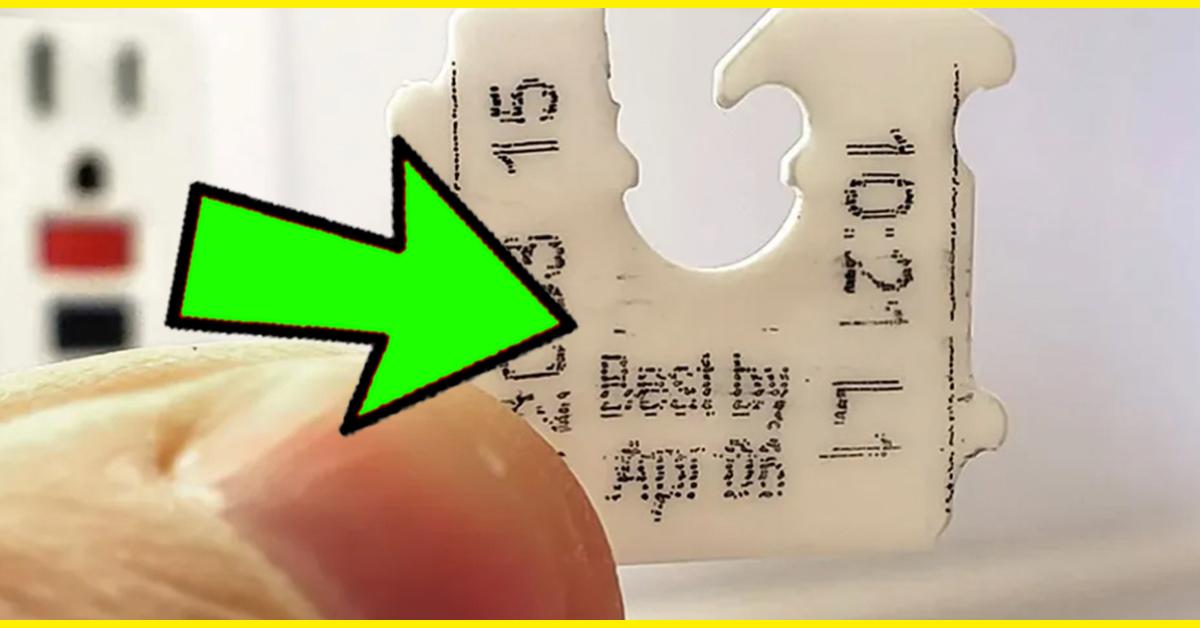
That tempting post about someone giving away an expensive bread machine for free? It's bait for one of the fastest-growing social media scams. Fraudsters are creating fake profiles that mimic real cooking enthusiasts, posting suspiciously similar messages about bread machines they "no longer have time for" and want to "give to someone who will use them." These scammers duplicate legitimate cooking photos and recipes, creating convincing profiles designed to harvest your personal information.
When you message them about the "free" bread machine, they'll direct you to external websites claiming to arrange delivery but actually designed to collect your payment details. In some cases, they'll even request a small "shipping fee" that multiplies into multiple unauthorized charges. One victim reported losing over $300 after responding to what seemed like a genuine offer from a fellow baking enthusiast.
The 'One Ring' Missed Call That Triggers Premium Charges
That missed call from an unknown number might be costing you money right now. Scammers are using auto-dialers to call and hang up after one ring, exploiting human curiosity when we call back these numbers without thinking.
What victims don't realize is that these callbacks connect to international premium rate services that charge astronomical fees—sometimes up to $30 per minute. The scammers deliberately keep you on hold or create confusing automated systems to extend the call duration while charges accumulate.
Most carriers add these charges directly to your bill, often disguised among legitimate fees, making them easy to miss. By the time most victims notice, they've already paid for multiple months of these fraudulent charges.
The Verification Code Forwarding Scam That Bypasses Two-Factor Authentication
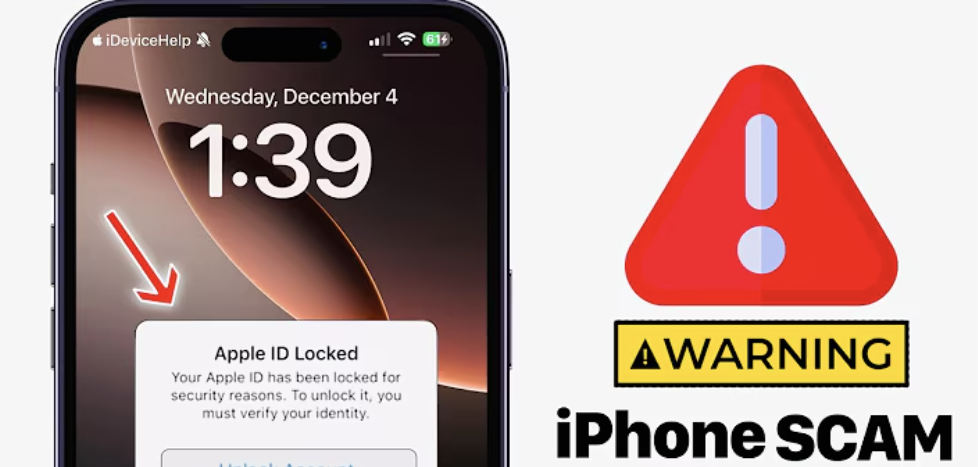
Two-factor authentication should keep you safe, but scammers have discovered an ingenious loophole. After obtaining your username from data breaches, they attempt to log into your account, triggering the legitimate verification code sent to your phone.
Minutes later, you receive a call from "security" claiming they're verifying suspicious login attempts. They ask if you received a code and request you read it back to "block the unauthorized access." What you're actually doing is giving them the very code designed to protect you.
With both your username and verification code, scammers now have everything needed to access your accounts, despite the additional security measures you've put in place.
The Gas Pump Card Skimmer You Can't Detect
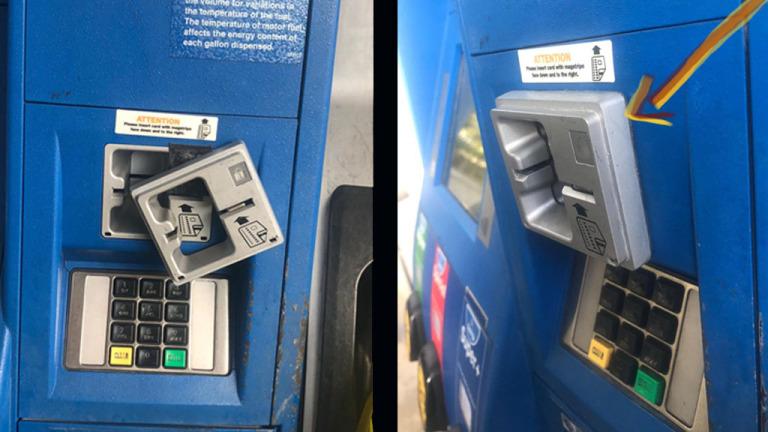
The latest generation of gas pump skimmers has become virtually undetectable to the naked eye. Unlike older external devices, these new skimmers are installed inside the pump itself, making them completely invisible to consumers, no matter how carefully you inspect the card reader.
These internal skimmers capture both your card data and PIN when entered, providing criminals with everything needed for complete access to your accounts. The stolen data is transmitted wirelessly to nearby criminals who never have to return to the pump, eliminating the risk of being caught retrieving the device.
What makes this scam particularly devastating is that gas stations typically have much weaker fraud protection than ATMs. Most victims only discover the theft after their accounts have been drained, often at multiple ATMs across different locations within hours.
Feel Like You're Getting Scammed From Phone Battery Drain?
What most users don't realize is that these processes are completely unnecessary for your phone's core functions.
The new solution uses proprietary technology to identify and optimize these background activities, restoring hours of battery life instantly. Users report their phones lasting hours longer on a single charge after doing this 5 second tip. "It's like I got a brand new phone," says Melissa T., who saw her battery life triple in seconds. Curious about how much battery life you could reclaim? You can claim free access to test it out for yourself.
The "Free Burger Giveaway" Scam That Silently Drains Your Bank Account

That text message offering you a free burger from your favorite fast-food chain might be the most expensive meal you never actually receive. A dangerous new "smishing" scam is targeting food lovers by posing as popular burger restaurants offering tempting giveaways through seemingly innocent SMS messages from international numbers.
The scam begins when victims receive a message asking them to choose between several gift options, but unlike traditional scams requiring suspicious links, merely responding to the message is enough to unknowingly subscribe to premium rate messaging services. One recent case involved a minor whose phone sent over 120 international text messages before his father noticed the unusually high bill—all without the victim clicking any links or providing personal information.
How A 'Tech-Challenged' 81-Year-Old Grandma Prevented 17 Scam Attempts In Just 30 Days (Hint: This Simple Thing Prevented Her Life Savings From Being Stolen By Greedy Scammers)
The QR Code Restaurant Menu Switch That Steals Payment Details
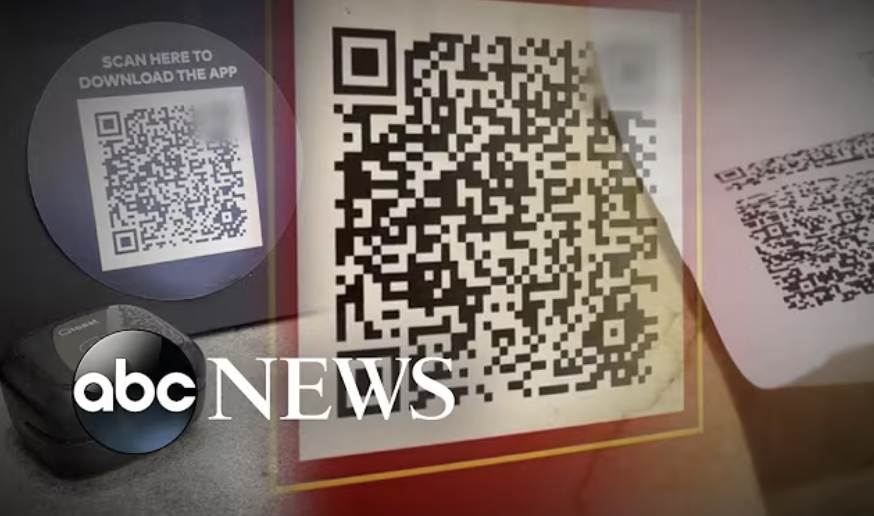
That QR code on your restaurant table isn't always what it seems. Scammers are placing fake QR code stickers over legitimate restaurant menu codes, directing you to convincing fake websites instead.
These sites not only look like the real restaurant's menu but also request payment information for "easy checkout" or app downloads for "loyalty programs." By the time you realize something's wrong, your payment details have already been captured.
This low-tech physical modification creates a surprisingly effective digital attack that's nearly impossible to detect without scanning the code with a QR reader that previews the destination first.
The Hotel Key Card Hack That Empties Room Safes
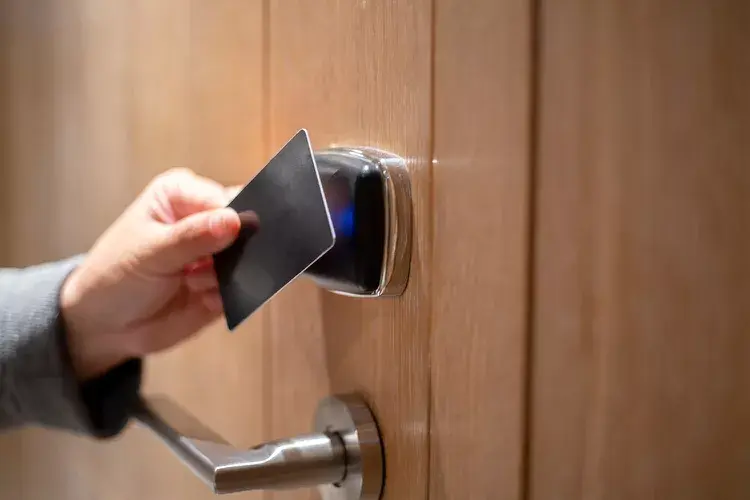
That hotel key card in your pocket is now the target of a sophisticated new scam. Criminals are using modified smartphones to wirelessly clone hotel key cards while simply passing by guests in lobbies, elevators, or public areas—no physical contact needed.
What makes this attack devastating is that most hotel safes now use the same key card that unlocks your room. Once cloned, thieves can enter your room undetected and access the safe while you're enjoying your vacation. Most victims don't discover the theft until checkout, making recovery nearly impossible.
Hotels rarely accept responsibility for these breaches, citing guest negligence. Most insurance policies limit coverage for hotel theft, leaving travelers with thousands in unrecoverable losses.
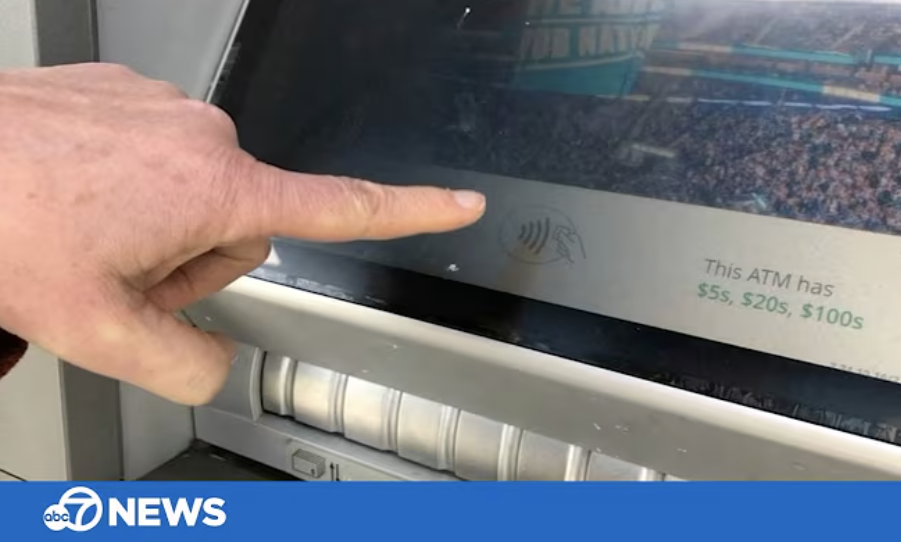
The ATM 'Helper' Scam That Clones Cards In Seconds
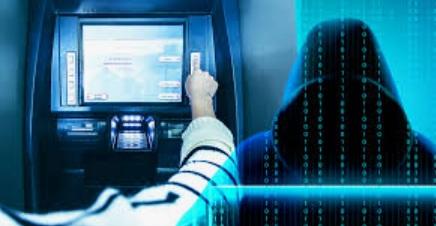
The friendly stranger offering help at the ATM might be the last person you should trust. This increasingly common scam involves criminals posing as helpful citizens or even bank employees who assist confused or elderly customers struggling with ATM transactions.
While "helping," the scammer secretly observes your PIN and either swaps your card with a fake or uses a concealed device to capture your card details. The entire process takes less than 30 seconds, and most victims don't realize anything is wrong until money starts disappearing from their accounts.
What makes this scam particularly effective is its exploitation of human kindness—our natural tendency to appreciate assistance and let our guard down when someone seems helpful, especially in public spaces where we feel relatively safe.
The "Can You Hear Me?" Phone Call Recording Scam
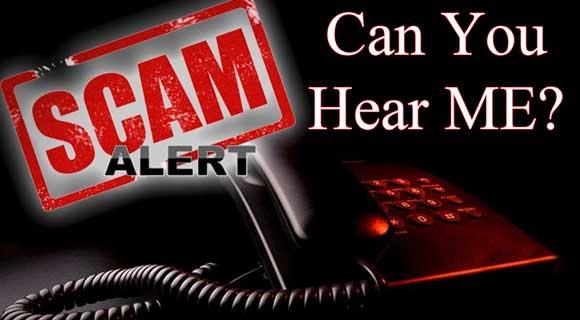
Answered a call where the first question is "Can you hear me clearly?" This seemingly innocent question is actually the setup for a voice signature scam. Scammers record your "Yes" response to authorize charges or create fake agreements in your name.
These recorded responses can be edited and used as "proof" you authorized payments, agreed to service charges, or consented to purchases you never actually made.
What makes this particularly dangerous is how ordinary it seems—most people automatically respond "yes" to this question without thinking, providing scammers with the voice verification they need for fraudulent transactions.
The "Brushing" Package Scam That Exposes Your Home Address
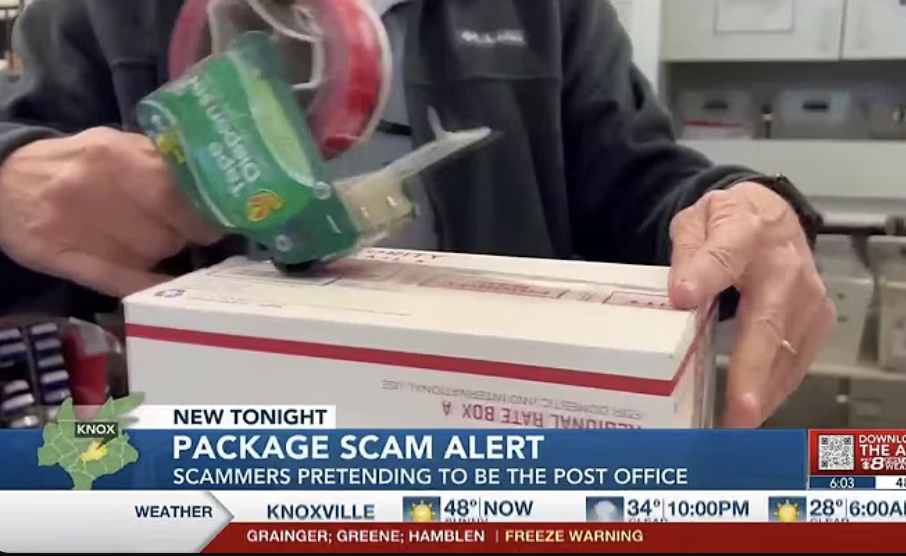
Most victims don't realize they've been compromised until it's too late. This attack works because it bypasses traditional security by using your own login information. Received a package you never ordered? This isn't a lucky mistake. Scammers are shipping unordered items to create fake verified purchases for product reviews. While the free products seem harmless, what's actually happening is far more concerning.
These shipments confirm that your personal information—including your home address—has been compromised and is being actively used by someone with unknown intentions.
This scam signals that your data is circulating in places it shouldn't be, often preceding more targeted attacks like identity theft or sophisticated home security breaches.
How Scammers Are Using Public WiFi To Clone Your Payment Information
That "Free_Coffee_Shop_WiFi" network might be the most expensive connection you ever use. Cybercriminals set up identical-looking networks with names nearly indistinguishable from legitimate businesses, often sitting right inside the same locations.
Once connected, everything you transmit becomes visible to attackers—your emails, shopping carts, and even banking credentials. The most sophisticated operations use specialized equipment that can intercept data even on password-protected networks.
What makes this attack particularly dangerous is its invisibility—your device connects normally and everything works as expected, while in the background, your sensitive information is being harvested with every keystroke.
The "We Missed You" Delivery Card Scam With Hidden Charges
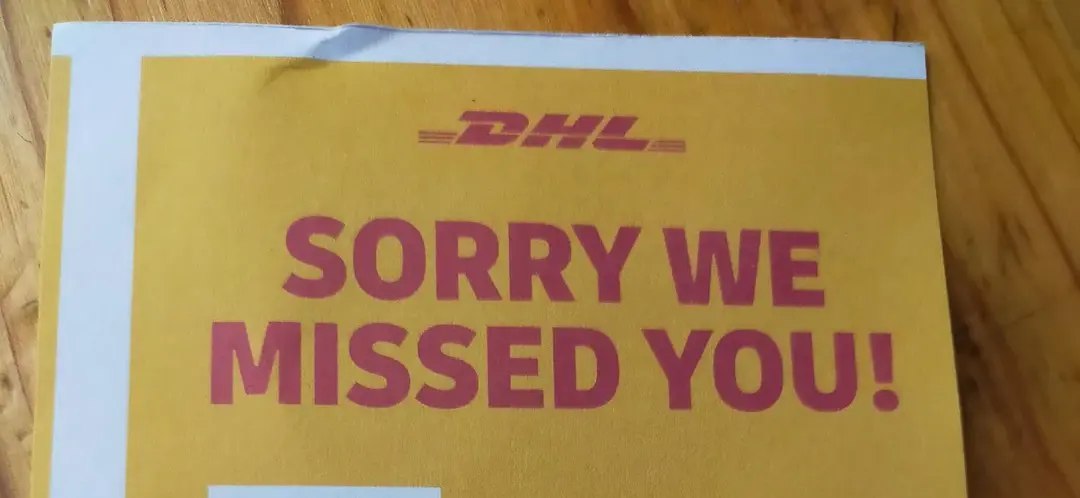
Found a "sorry we missed you" delivery notice on your door? Before calling that number, be aware of the delivery card scam that's costing victims hundreds in hidden charges. These convincing notices mimic legitimate delivery services.
When you call the provided number to reschedule, you're connected to premium rate lines charging excessive fees per minute while keeping you on hold. Some variants ask for credit card details to "verify your identity" before "releasing your package."
This hybrid physical-digital scam is particularly effective because the physical card creates legitimacy, while the scam itself happens through your phone where warning signs are harder to spot.
The Gift Card Payment Scam That Leaves No Recovery Options
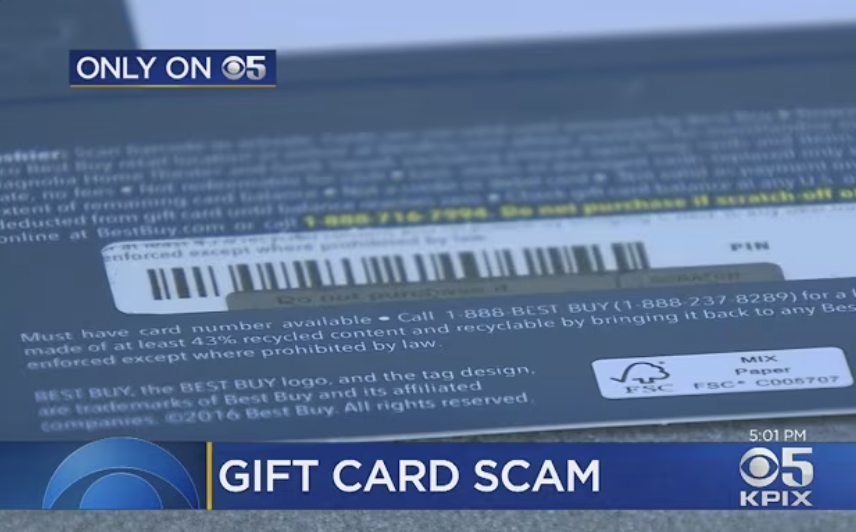
"Pay with a gift card to receive a special discount." This increasingly common request from "customer service" representatives is actually one of the most devastating scams targeting consumers today. Once you purchase and share gift card numbers, your money is gone forever.
What makes this scam particularly effective is how it's combined with impersonation—scammers posing as government agencies, tech support, or utilities create urgent scenarios requiring immediate payment.
Unlike credit card fraud, gift card transactions offer no protection or recovery options. The funds are typically drained within minutes and transferred through multiple accounts, making them impossible to trace or recover.
The "Too-Good-To-Be-True Teeth Whitening" Scam That Leaves Patients With Damaged Smiles

That social media ad offering professional-grade teeth whitening at a fraction of the dentist's price might end up costing far more than your smile is worth. A dangerous trend is emerging as unlicensed operators—many former "veneer techs" who've pivoted their illegal businesses—are now offering teeth whitening services using industrial-strength bleaching agents without proper training or safety protocols.
The "Traditional Tea Ceremony" Scam That Leaves Tourists With Massive Bills
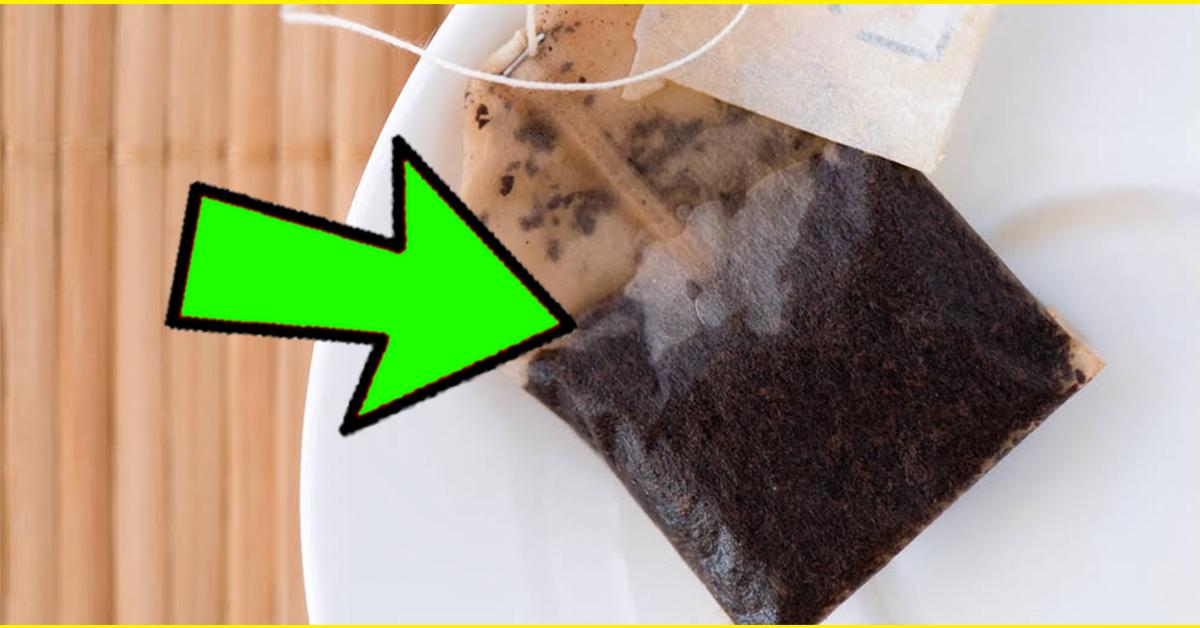
While exploring popular tourist destinations, be wary of friendly locals who enthusiastically invite you to experience an "authentic traditional tea ceremony." This widespread scam targets travelers seeking cultural experiences but leaves them with shocking bills that can exceed $500 for a few cups of tea.
The scam begins innocently - a charming local strikes up a conversation, mentions a special cultural event happening nearby, and offers to guide you there. Upon arrival at a legitimate-looking establishment, you're seated for a tea tasting experience that seems reasonably priced or has no prices listed. The hosts may photograph you enjoying multiple specialty teas and snacks.
When the bill arrives, it contains outrageous charges for each sample, ceremonial fee, and "cultural experience." Many victims pay out of embarrassment or fear in an unfamiliar place. Travel security experts warn this scam operates in various forms across multiple countries and tourist destinations worldwide, specifically targeting visitors who are unfamiliar with local customs and pricing.
The Parking Ticket Scam With Hidden Payment Processing Fees
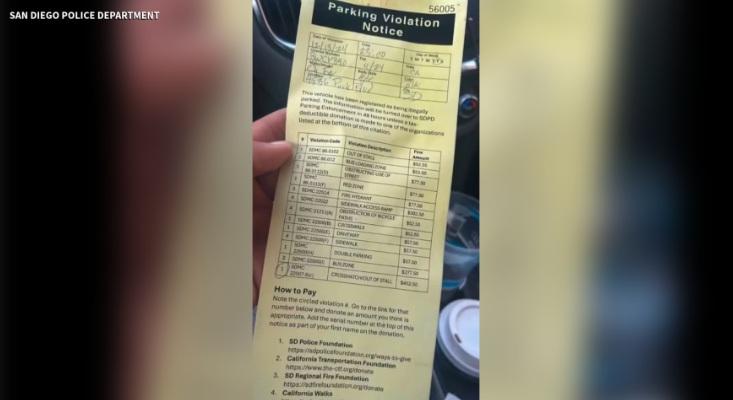
Finding a parking ticket on your windshield is frustrating enough, but the latest scam adds financial injury to insult. Counterfeit parking tickets that look identical to official citations are being placed on vehicles in busy areas, complete with QR codes or websites for "convenient online payment."
These fake tickets often request slightly lower amounts than legitimate fines, encouraging quick payment without verification. The payment sites look official but add hidden "processing fees" or capture your credit card details for future fraudulent charges.
What makes this scam particularly effective is our natural desire to resolve violations quickly. Most people pay without question, especially for smaller amounts, and rarely follow up with the actual parking authority—who has no record of your citation or payment.
The Photo Booth Memory Card Scam Exposing Private Pictures
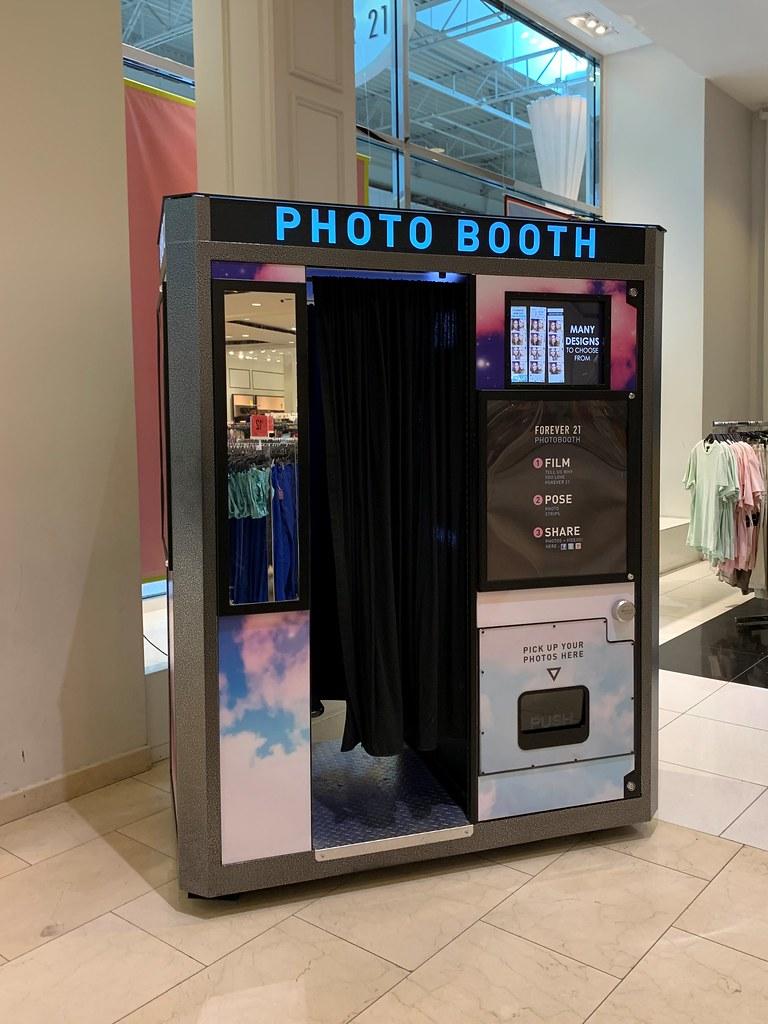
Those seemingly innocent photo booths in malls and tourist areas are becoming the source of a disturbing privacy breach. Criminals are tampering with these machines to copy all images to hidden secondary storage, collecting every photo taken by unsuspecting customers.
What victims don't realize is that these stolen images are being used to create deepfakes, train facial recognition systems, or worse—posted to questionable websites without consent. The machines continue to function normally, giving no indication that your images have been compromised.
This scam is particularly concerning because photo booths often capture people in vulnerable moments—couples in romantic poses, families with children, or individuals making silly faces—creating a goldmine of personal images that can be exploited in numerous ways without your knowledge.
The Digital Mailbox Notification That Gives Away Your Home's Empty Status
Those convenient digital mail notifications are creating a serious security vulnerability at your home. Scammers are now hacking poorly-secured mail notification systems to identify exactly when you're receiving packages or important mail.
By monitoring these notifications, criminals can determine your patterns—when you're at work, on vacation, or otherwise away from home. This information creates the perfect opportunity for precisely-timed break-ins when packages are delivered but not yet retrieved.
What makes this particularly dangerous is the false sense of security these systems provide. While you believe you're increasing your home's security by monitoring deliveries, you may actually be broadcasting your absence to those who know how to access this data.
Stay Protected Against These Scams And The New Ones That Emerge Daily
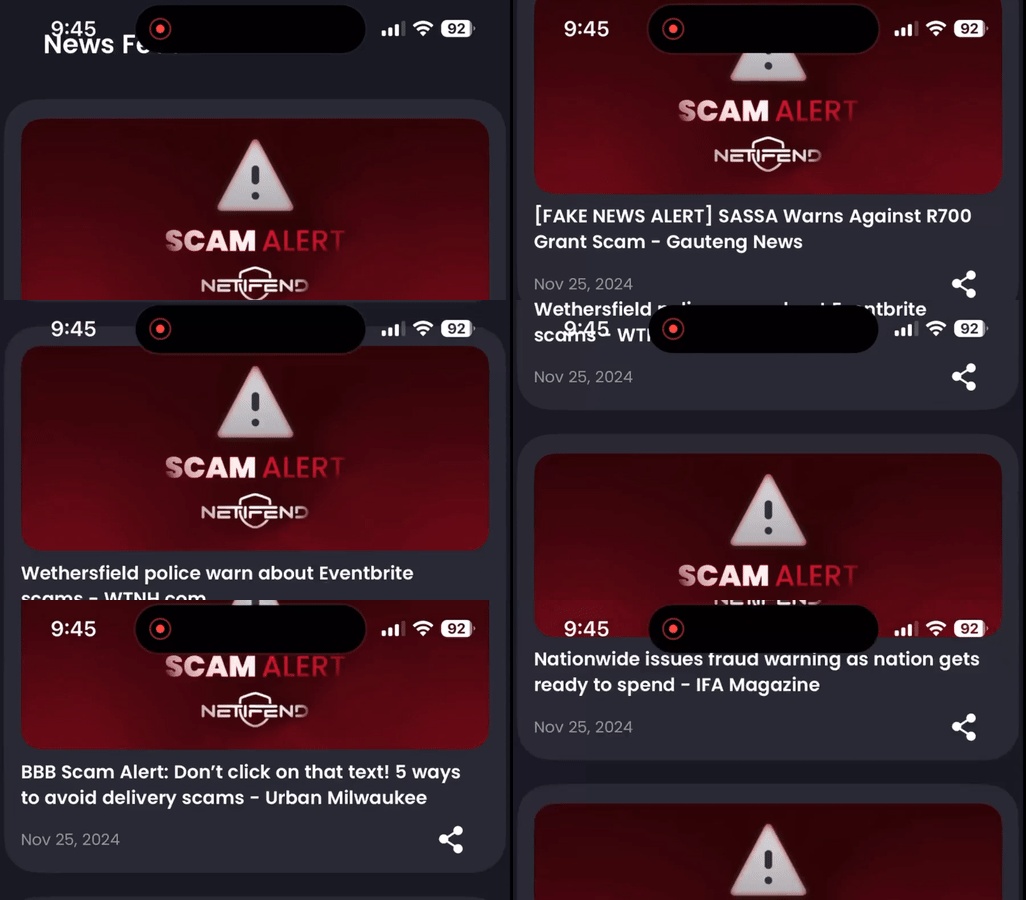
As scammers continually develop more sophisticated techniques, staying one step ahead is crucial for protecting yourself, your family, and your finances. The 20+ scams covered here represent just a fraction of the threats targeting innocent people every day.
The most concerning trend security experts are seeing is how quickly these scams evolve - by the time awareness spreads about one technique, scammers have already modified their approach to bypass detection. This is why static protection measures are no longer sufficient in today's rapidly changing threat landscape.
Don't wait until you become a victim. Get real-time alerts about emerging scams before they target you. Our security system continuously monitors for new threats and notifies you immediately when suspicious activity is detected nearby.
✅ Stop scammers from following you on the internet
✅ Receive instant notifications about new scams in your area
✅ Stay updated on the latest scammer techniques
✅ Boost iPhone browsing speed by up to 400%
✅ Restore battery life in seconds